
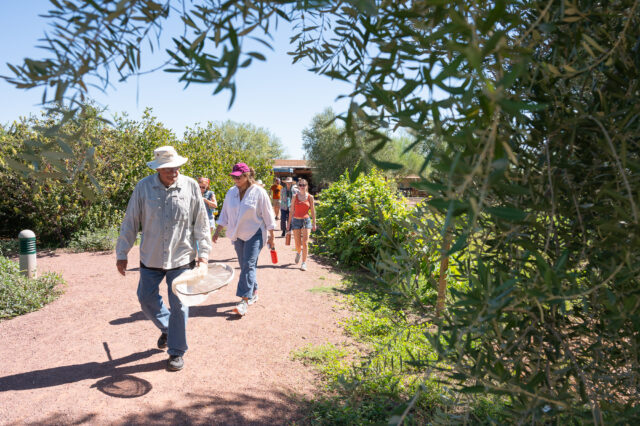
“Sometimes, learning starts with looking a little closer.”
The Dragonfly Festival at Mission Garden gave me the chance to step outside, explore a beautiful space, and learn something new. I joined a guided tour of the garden, where we looked closely at plants, local wildlife, and of course, dragonflies. It was a rewarding experience that reminded me how much there is to notice in nature when you take the time to slow down and look closer.
Exploring Mission Garden
Mission Garden is a special place—the garden is filled with a variety of native plants, indigenous and historical agriculture practices, shaded paths, and peaceful spaces that support local wildlife. During the tour, we walked through different sections of the garden and learned how each area contributes to the Sonoran Desert ecosystem. It was inspiring to see how a garden can be more than just a beautiful space, it can also be a habitat for pollinators, birds, and other wildlife.
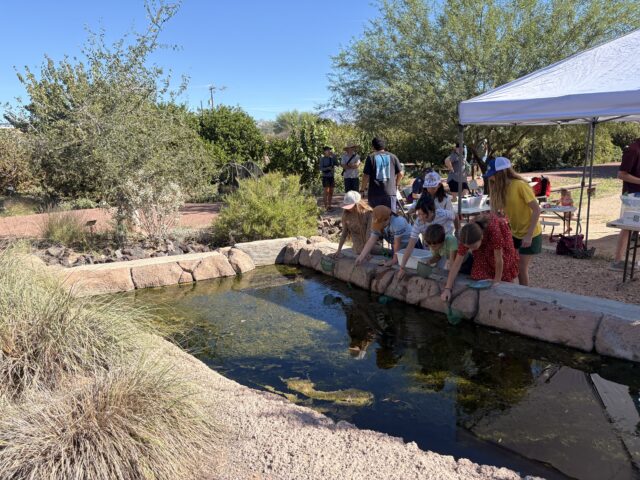
A Day of Discovery
By the end of the tour, I felt like I had a deeper appreciation for dragonflies and the important role they play in the environment. The festival was a reminder that nature is full of small details, and that even the smallest creatures can have a big impact. It also showed me how much we can learn by taking the time to observe the wildlife around us. I’m grateful for the chance to spend the day at Mission Garden, take photos, and learn from the people who shared their knowledge and passion for the natural world. Overall, it was a meaningful experience that allowed me to explore a beautiful space while learning something new about the environment.
Learning About Dragonfly Perches
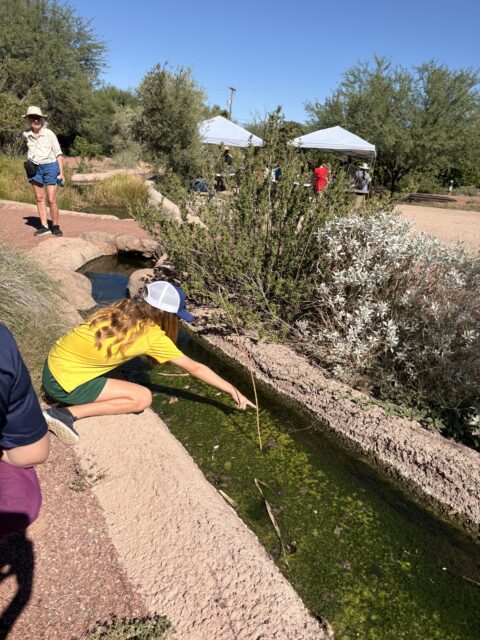
One of the most interesting things I learned was about where dragonflies like to perch. They often rest on plants, branches, and other surfaces near water, which gives them a good spot to watch for prey and stay close to their habitat. Perches are important because they give dragonflies places to rest between flights and observe their surroundings.
Colors, Mating, and Dragonfly Behavior
We also learned about the different colors and patterns of dragonflies. Their colors can help with species and sex identification, and in some species may play a role in mate recognition. The tour also covered mating behaviors, which offered another look at how dragonflies live and reproduce, tying this aspect of their life cycle to the importance of clean waters in the Santa Cruz River.
Being able to learn about the Santa Cruz River and its dragonflies, all while watching community members celebrate this amazing place, really encompasses Sonoran Institute’s mission to connect folks with the natural resources that nourish and sustain them. When we lead with curiosity towards the smallest creatures along the river, we find delight in protecting their home and our rivers.
Written by Alzachria Jackson, UA Earthgrant Intern